Thursday, September 9, 2010

My Kayak, What a Great Photography Tool.

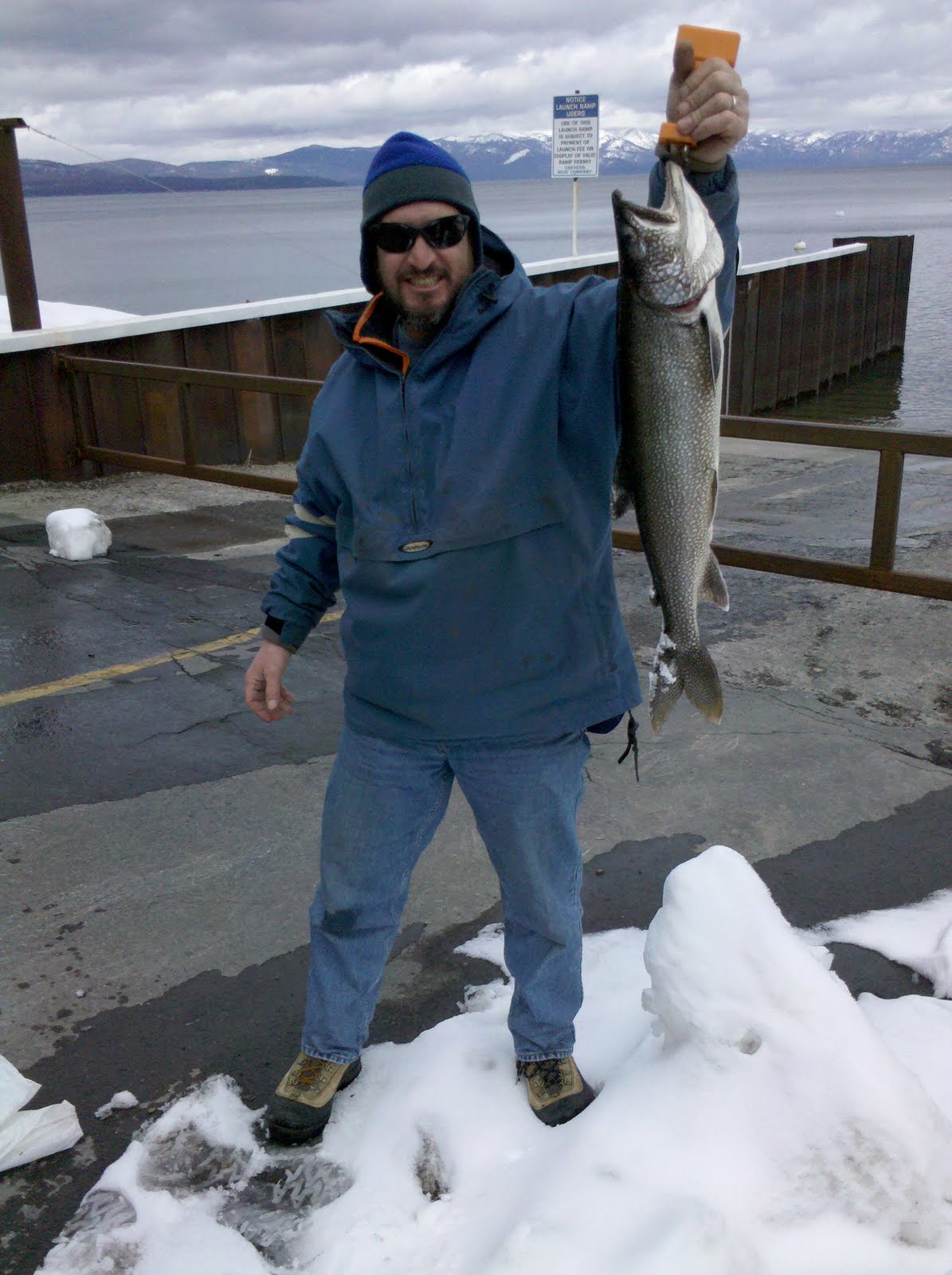
Scott Thompson fishing and shooting on Lake Tahoe. Photographed with a Motorola Droid.


Last summer, my wife and  I decided to spend a few hundred bucks and buy a tandem sit on top kayak for the family. The purchase was supposed to be about family fun and fishing, it has held me, my wife, my son, and my 85 pound Labrador all at once. "The Orange Peel", it's nickname, has been well worth the money. But I have also found it to be an incredible addition to my camera bag.

The kayak is an Equinox 160T from Costco. The price was way below anything else I had been looking at online. My expectations weren't very high but I have found it to be perfect for my needs. Very stable and a whole lot of space for family and/or camera gear. The front seat has held my big fully loaded camera bag in a large dry bag and I've even stood up in the kayak for photos. (Note: Dry bags are a MUST if you plan on bringing a camera you value onto small paddle driven boat, drips happen, many many drips, oh, and don't forget splashes and sloshes. A small towel is also recommended.)  The kayak comes stock with a small covered hatch that keeps things relatively dry but water has unexpectedly gotten in there when the family was using it for play. If you own this kayak, don't trust the hatch for H2O sensitive camera gear.  Also, don't plan on winning any kayak races with this beast, slow and steady wins for photography purposes.

I've customized my kayak a bit. Online I found two flush mount fishing pole holders and a 4" hatch to provide a little more entertainment value and access to the large interior of the boat creating more storage.  These inexpensive additions have been priceless. Trolling for fish on the way to photography locations is a great way to make good use of work hours.


Scott's son Kane kayaking and fishing on Donner Lake.


When I'm with the whole family, wife and dog included, I skip all cameras but my cell phone.  When fishing with just my son, I bring just one camera body, one lens, flash, and polarizing filter. As always a dry bag is a must but I skip the tripod and additional gear. Space is limited and my attention to photography is also limited. But when I'm by myself, this kayak provides plenty of space for all my outdoor gear, 2 Canon bodies, 4 lenses, flash, tripod, and a whole lot of random accessories I rarely need until I don't have them.  I own three dry bags of different sizes and I use the smallest I can get away with.

The low angle  you get when you shoot from a kayak can be a good and a bad thing. It can provide some incredible photogenic angles but the glare and/or reflections on the water requires a polarizing filter most of the time to remove the glare. When you use a polarizer filter you lose a lot of light (kind of  like sunglasses for your lens)  so shooting from the boat handheld can be a bit more of a challenge. I usually use an ISO of 400 and a shutter speed no slower then 1/160 of a second.  Later in the day when more gasoline powered boats get out and about, the waves can really pick up. This can require even faster shutter speeds. It can also require you to ditch the shoot and quickly toss your gear into your dry bag. Safety of camera gear first, I can swim.

Lake Tahoe has 71 miles of incredible shoreline but much of it is inaccessible by foot due to private property or rough/steep terrain. Although I haven't kayaked all 71 miles, I have accessed a whole lot of areas I could never have dreamed to get to without it. Getting in close and bumping rocks is no problem either like it would be on most other watercraft.  Quickly beaching it in rocky areas and setting up the tripod for a shot has been great as well.


Photographed from a kayak with a polarizer filter.


The kayak has also proven to be great with helping me photograph birds. They seem to let me get a whole lot closer on water than on land. Getting out early can provide some incredible fog on the water images like this:


Canadian Goose and fog photographed from a kayak.


If you are a photographer or just want to get a better look at mother nature, I would highly recommend purchasing a kayak. After much use, the Equinox 160T gets two thumbs up from me. Kayaking is green and good exercise as well.

Please enjoy this sideshow of images that I have photographed from my kayak or from shore line that I kayaked to. Click the full screen icon for a better view. Are you a  kayaker? Please comment and/or post a link to a favorite kayak photo of you or that you have shot, or a favorite kayak photo story. Have a question about one of the images, ask me.


These images in the slideshow above of Lake Tahoe, Donner Lake and Prosser Reservoir were all photographed from my kayak or from shoreline that I kayaked to. All are available as large fine art prints, gift items, and as stock photography

-Scott Thompson


Thursday, June 3, 2010

Fishing and Photography on Lake Tahoe

Fishing and photography go great together, and when it's on Lake Tahoe, well, just view the slide show below. I'm lucky to have a friend with a small aluminum fishing boat and an addiction to trolling for  Mackinaw. He gets out a ton and I've joined him a couple times this spring with my fishing and photography gear. Both trips left me with no fish but plenty of photos. He has caught a Mack on both trips...


Not only did I get some fun photos of fishing poles and of the boat, but I shot a bunch of landscape and stock photos while trolling along the West shore of  Lake Tahoe. The quickly changing shoreline can be a lot of fun shooting from a boat.


Lake Tahoe from a Fishing boat - Images by Scott Thompson

When shooting Lake Tahoe from a small fishing boat, weather resistant gear is highly recommended. I bring minimal gear, my Canon 5D Mark II, a 24-105 L lens, a flash which I've never used out there, and a polarizing filter. The small camera bag fits into my small dry bag, which gives me peace of mind when I'm not shooting. Both times I've been out this spring it has snowed or hailed on us. The weather can change fast but can provide some beautiful scenery.  Dress warm with layers and a waterproof jacket if you suspect you may encounter some weather. I'd also recommend bringing a rag to wash and dry your hands between fishing and shooting for obvious reasons.

I wish I could give some great fishing tips, but as I mentioned, I got skunked both times. My buddy caught his big Mackinaw on our first trip with a red and blue pattern Rapalla in about 15 feet of water. The waves were a bit too big for his boat when we came around a point so we had to U turn and head back to the calmer waters. Right then he snagged a "rock", we turned around again to save the lure, and when we got closer, he realized he had actually hooked a huge fish.

Photographed on a Motorola Droid


The second fish was caught on the second trip with a big lure attached to a new down rigger in fairly deep water. It started snowing/hailing on us and just as we were about to call it a day, he landed another Mackinaw.  Then we called it, we'll have to bring waterproof pants next time...

Photographed on a Motorola Droid


The Lake Tahoe photos in the slideshows above are available as fine art prints, gift items, and as stock photography. Click on the slideshows for purchasing information. Thank you.

Tuesday, May 11, 2010

How my Motorola Droid smart phone makes me a better photographer.


I love my Motorola Droid! AT&T has poor reception where I live in Tahoe so an iphone is out of the question, Verizon has the best as far as I've experienced. A few months ago, I stepped into the world of smart phones and I couldn't be happier with my decision. I feel that my Droid has been one of my greatest new additions to my camera bag, it has proven to be an incredible tool that has helped me get more great photos than I would have without it. My favorite Droid apps that I feel help make me a better photographer are (all free, just search the titles in the Droid app Market) :

Google Maps- I feel like I have a helicopter's view of what's around me when 4x4ing the Tahoe trails. "Oh, there's a small lake right over there I didn't know about and would have never seen from the trail!"  I don't always get reception out there but I am often surprised at how often I do. 

Maps (-) - This app lets you view and save maps when you do have reception, then you can bring up that map when you don't have reception.  Bye bye paper maps.

Google Sky Map- You can judge where the sun and moon will rise long before they do. Great for picking out a location when shooting the sunrise or moonrise. I feel like I can look into the future.

GPS Status- You can tag your gps location and email a link to yourself containing the google maps location. Great for sharing location info on blogposts later. (see previous blogpost about the Tufas of Mono Lake)

MoonPhase- A widget that shows what phase the moon will be on every day for the next month. Great for planning full moon shoots.

SunMoon- Computes the rise and set times for the sun and moon based on your gps location. Another great tool for shooting the sunrise, moonrise, and sunset.

The Weather Channel app - 10 day, 36 hour, and hourly local and far away forecasts in my pocket. Many benefits to this one.

Camera- I like taking a picture of my real camera or a self portrait next to my real camera with nice scenery in the background and posting on Facebook while out in the field. I like to think it gets my "fans" and friends curious about what the final images I upload to my website will look like. (see photo below)

DroidLight- LED flashlight app. I've gone out on hikes thinking I'll be back before sunset. Then I decided to shoot the sunset. This one has helped me get back to my truck when I didn't plan ahead properly.

ScannerRadio- Police and Fire scanner. I actually don't use this one as the closest city on the app to me is Reno. But I see how it could be a great tool for photo journalists looking to be first on a scene.

SmartPark- You can tag the location of your car. This is great when 4x4ing way out there and then hiking way away from your vehicle.

Google Translate and aCurrency- Great while traveling. Know what you're saying and spending while shooting in far away lands.

So, my only complaint about the Droid is I can't find a model release app. Anybody out there know of one? The iphone has one...

Also, if you have any apps to add to the list, I'd love to hear about them, iphone or Android. Please leave a comment. 

Self Portrait shot with a Motorola Droid. 

Wednesday, May 5, 2010

Tufas of Mono Lake, California Photography


This last Sunday, May 2, 2010, I was driving back home from Mammoth Ski Resort and I realized that I had time to stop at Mono Lake and get some photos of the tufa towers. I had been wanting to shoot this area for years but I'm usually in a hurry when driving by.  This weekend wasn't supposed to be a photo trip but I got lucky and made it one.

I fired up Google Maps on my Motorola Droid and I easily found the South Tufa area. Here's a link to the location I tagged with my Droid. (I plan on writing a post soon on how my Droid and it's great apps help make me a better photographer, stay tuned) For more information on visiting Mono Lake, please visit www.monolake.org

I had a great afternoon and evening running around like a kid in a candy store shooting the giant tufa towers. There are plenty of trails around the tufas, and there are signs posted to not climb on them or remove pieces. I saw why. There were about ten other photographers out there but I saw one of them try to climb up a tufa tower to get a better angle. I was thinking "that's lame" when all of a sudden a chunk the size of small ice chest broke off and came crashing down on the guy. He was obviously very embarrassed but he was proud he didn't get hurt or break his camera. I wasn't impressed.

When you follow the trail from the parking lot to the South Tufa beach area, you can go to the right at the beach and keep your shoes clean. But if you go to the left, expect to get your shoes muddy this time of year. I veered a little off the trail and stepped on what looked like solid ground but I broke through the thin dry crust and ended up past my ankle in green stinky mud. Oops.

I didn't have my big camera bag with all my gear, only my Canon 5D Mark II and a 24-105 L lens. I also had my graduated neutral  density filter and I saw other photographers using theirs, but I opted not to use mine. The tufa towers break the horizon too much in my opinion to use it. I also didn't use my polarizer filter but I kind of wish I had when I shot the very green water, I would have liked to cut down on the glare a bit more.  I occasionally used my flash to help fill in the shadow areas of the tufas with some light and also during late sunset when the tufas would have all been silhouettes without it.

I would highly recommend using a tripod out there. Most of my shots were at f22 in order to get the tufas in the foreground and background in focus. This made the exposures too long to handhold, especially at sunset.  Bumping up my ISO would have helped but I prefer a low ISO when I'm planning on making large 30"x40" prints.

All in all, I was very happy with my Mono Lake photo experience. Easy access, no need for my 4x4. Very unusual and bizarre subject matter. The sunset was incredibly beautiful and seemed to last a very long time.  My only complaint is that I didn't get to shoot a sunrise, good excuse to go back. Here are the photos from the shoot. What are your thoughts?


Tufas of Mono Lake, California - Images by Scott Thompson

To view larger images, click on the "full screen" icon on the slideshow.

All photos are available as stock photography and fine art prints.